

Table of Contents
Snow mushroom extract is quickly challenging hyaluronic acid as the next must-have hydrating powerhouse in skincare—but is the hype justified by real clinical data and daily results?
Key Takeaways
- Clinical studies show snow mushroom extract enhances skin hydration and barrier strength, sometimes outperforming hyaluronic acid.
- No reports of allergic reactions or irritations, but long-term safety and true cost-effectiveness are still under-documented.
- Most guides ignore real-world pricing, long-term results, and in-depth safety profiles—critical issues for informed users.
Understanding Snow Mushroom Extract: What and Why
Snow mushroom extract (Tremella fuciformis) is a natural, botanical alternative to synthetic or animal-based hyaluronic acid. This ingredient has hit the spotlight because its unique polysaccharide molecules can hold up to 500 times their weight in water, forming a hydration film on the skin’s surface. Not only does this draw in moisture, but it also creates a resilient barrier that is flexible and noticeably reduces water loss.
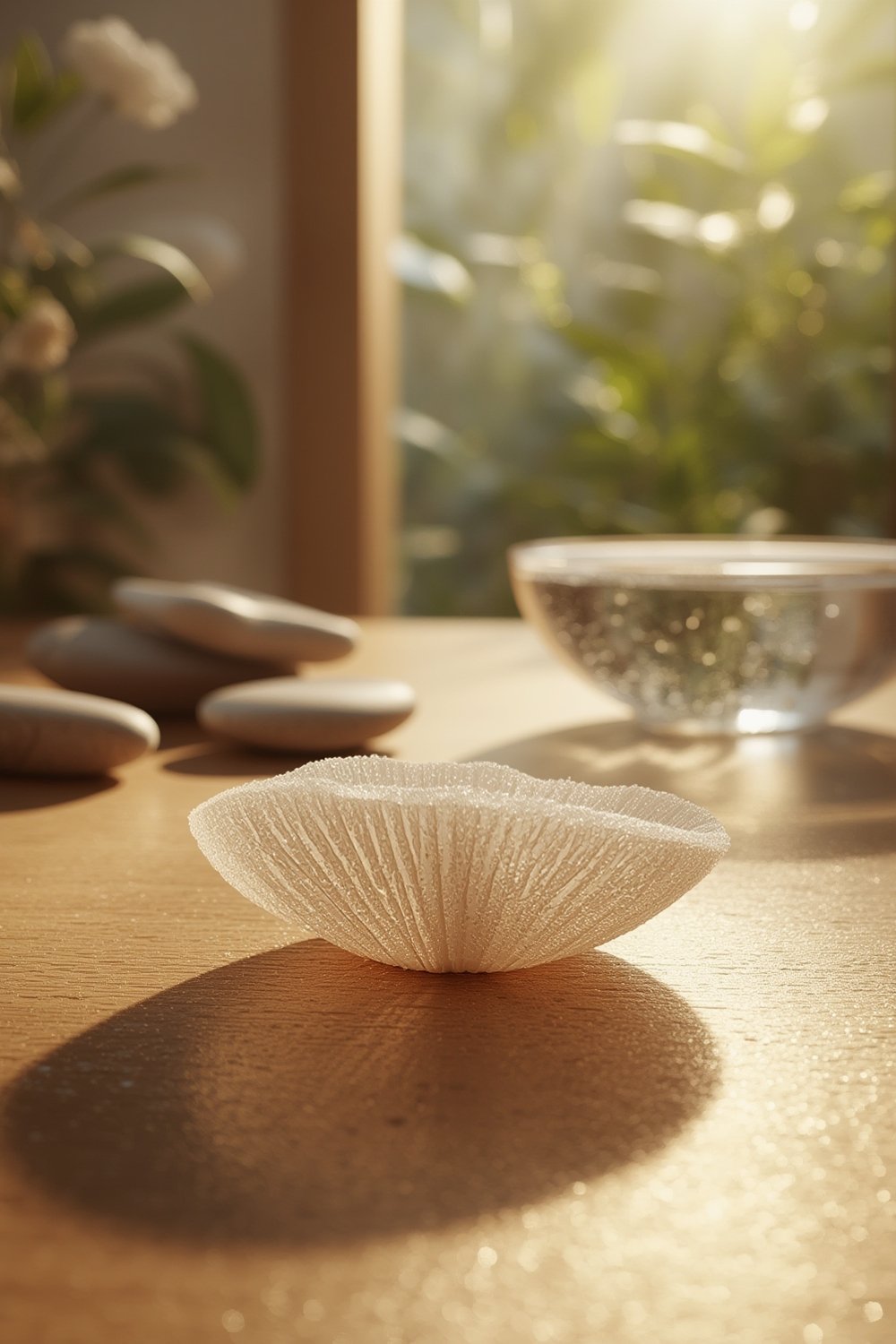
What makes snow mushroom extract stand out isn’t just its moisture attraction. Its sugar chains (1,3-mannose, xylose, and glucuronic acid) are longer and more flexible than hyaluronic acid, adapting well to different skin conditions and environmental changes. Clinical studies—such as Applechem’s four-week hydration trial—have shown snow mushroom extract increases the skin’s hydration over time and strengthens the barrier against environmental stress.
Research also suggests that snow mushroom extract is easier to absorb than traditional hyaluronic acid due to its smaller molecular size. This unlocks deeper hydration for a broader range of skin types, including sensitive or compromised skin. For anyone focusing on skin barrier repair, this is a strong differentiator.
While studies point to snow mushroom’s 15% superior hydrating power compared to hyaluronic acid (source), most research to date has not covered all skin types or ethnicities. There are also few published long-term, head-to-head clinical trials. Still, snow mushroom extract’s high efficacy, natural sourcing, and non-animal origin are driving its surge across global brands.
How to Use Snow Mushroom Extract in Your Skincare Routine
Incorporating snow mushroom extract is straightforward but a few critical steps maximize its hydrating benefits and avoid wasted product.
- Choose the Right Product Type: Opt for serums, essences, or gel creams that clearly list snow mushroom extract (Tremella fuciformis) among the top five ingredients. Potency matters—look for brands that either showcase standardized polysaccharide content or cite actual extract percentages.
- Layer Correctly: Use water-based toner after your water-based toner and before heavier moisturizers. This “sandwich” method locks in maximum hydration and prevents fast evaporation, especially important for dry or mature skin.
- Pair with Barrier-Repair Ingredients: Amplify results by using with ceramides, squalane, or peptides—see more tips on the best skin barrier repair strategies.
- Timing Matters: For best results, apply snow mushroom products both morning and night. In the AM, finish with sunscreen. At night, follow up with a richer cream if you have dehydrated skin.
- Patch Test and Adjust: Even though there are no known reports of irritation, patch test if you have a history of allergies. Adjust application if using alongside retinol or strong exfoliants.
- Store Properly: Keep your extract-based products out of direct sunlight and tightly capped. Botanical extracts can degrade with heat, air, or repeated contamination.
- Track Results: Document your skin’s hydration, plumpness, and changes over at least 2-4 weeks. For a deeper “before and after,” consider photos and hydration meters.
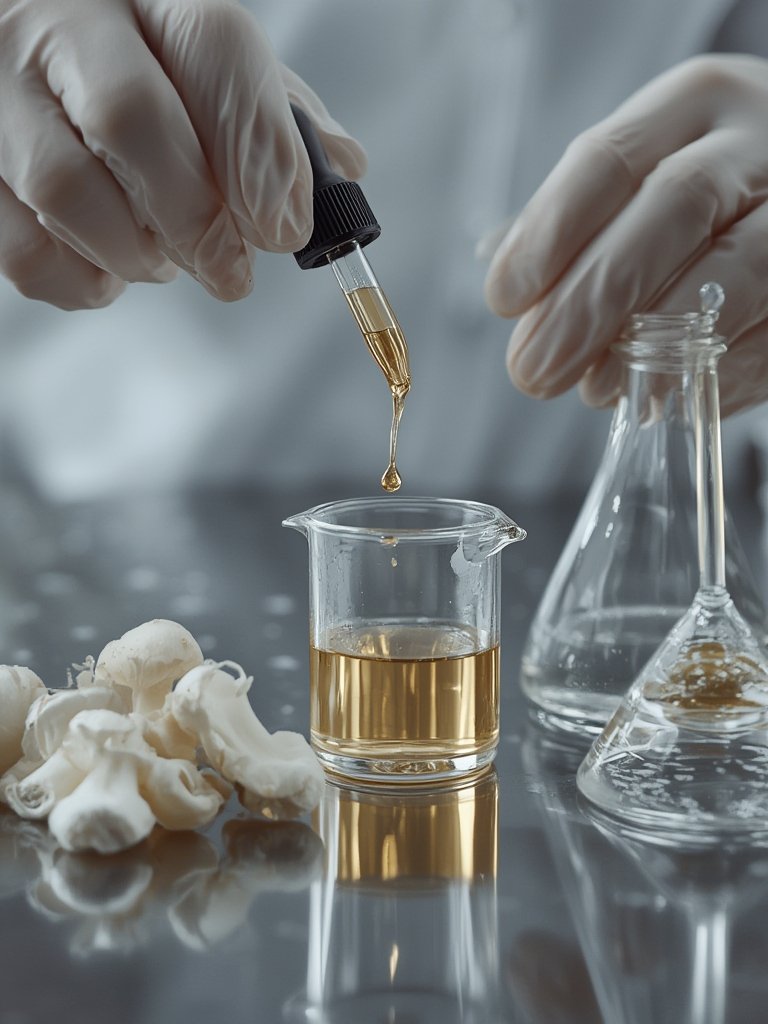
For a luxury spa experience at home, learn about the best ways to create a DIY spa using hydrating ingredients like snow mushroom extract. Many users also pair it with at-home facials for deeper hydration. Choose complementary actives but avoid layering too many strong acids to keep the skin barrier intact.
Continuous use is key, as most short-term studies on snow mushroom extract show clinically significant hydration only after two or more weeks. Set calendar reminders and track skin comfort to avoid missing applications.
Advanced Analysis & Common Pitfalls
Snow mushroom extract is not a silver bullet for every skin concern. Here’s what scientific analysis and current user feedback reveal:
- No market-wide pricing transparency: Despite online buzz, there is no public data on how the ingredient’s cost per gram compares to pharmaceutical-grade hyaluronic acid in 2024 formulations. Brands may price up based on trendiness, not efficacy. True cost-effectiveness is still unverified (source).
- Lack of long-term studies: Most published research covers only four weeks or less. We still lack data on possible performance drops, buildup, or benefits if used beyond a month or in non-ideal conditions such as extreme climates.
- Not all extracts are equal: Some products list snow mushroom extract low on the ingredient list, which greatly reduces their effect. Always check the order and ask brands for actual concentrations.
- Limited universal clinical evidence: Existing research is predominantly from in-vitro studies or short-term human testing, so direct comparison across all skin types, conditions, and ages is limited.
- No major side effects, but unknowns remain: Thus far, no allergic reactions or major irritations have been reported. Still, rigorous safety trials and regulatory oversight are largely missing worldwide.
Here’s a realistic comparison based on publicly available research:
| Property | Snow Mushroom Extract | Hyaluronic Acid |
|---|---|---|
| Moisture Retention | Up to 500x own weight | Up to 1000x own weight |
| Molecule Size | Smaller (deeper absorption) | Varies (large/fragmented) |
| Barrier Support | Strengthens, reduces water loss | Hydrates barrier |
| Vegan/Source | 100% botanical, unique structure | Some animal-derived, some synthetic |
| Known Side Effects | None reported | Rare (irritations possible with low quality) |
| Cost per Gram | No data (varies by supplier) | No data (widely available) |
Consider these factors when deciding if snow mushroom extract is best for your routine, especially if you have specific hydration goals, a limited budget, or sensitive skin. For those interested in the latest multitasking, minimal-effort routines, snow mushroom extract is featured in streamlined skinimalism products that can simplify your regimen without sacrificing results.
For a new perspective on optimizing your glow, you might also pair snow mushroom with innovative treatments like a hair gloss treatment or trending skin cycling routine for full-face and hair radiance.
Conclusion
Snow mushroom extract offers real, clinically supported hydration and enhanced barrier support for all skin types. Although there is a lack of long-term trials and cost transparency, no negative reactions or irritations have been reported. For anyone seeking a vegan, highly absorbent hydrator that competes with hyaluronic acid, snow mushroom extract is hard to ignore.
Ready to transform your skincare with snow mushroom extract? Start by patch testing and commit to 2-4 weeks of consistent use for visible results. Share your experiences or questions below to help others make informed decisions.
Frequently Asked Questions
Is snow mushroom extract more effective than hyaluronic acid for hydration?
Studies have shown snow mushroom extract can be up to 15% more effective at hydrating skin compared to hyaluronic acid, especially when used continually over several weeks.
Learn more here.
Are there any side effects or allergic reactions linked to snow mushroom extract?
As of now, there are no documented cases of allergic reactions, irritations, or long-term side effects associated with snow mushroom extract in skincare. Always patch test if you have very sensitive or allergy-prone skin.
How often should I use snow mushroom extract products?
For optimal results, use snow mushroom extract products twice daily—morning and evening—after cleansing and toning. Consistent use for at least two to four weeks maximizes hydration.
Can I combine snow mushroom extract with other active ingredients?
Yes, snow mushroom extract pairs well with ceramides, peptides, niacinamide, and other hydrating agents. For best results, avoid applying directly after strong acids or retinoids.
Is snow mushroom extract suitable for sensitive skin types?
Snow mushroom extract is generally safe and soothing for sensitive skin thanks to its natural origin and barrier-strengthening effects. However, ingredient quality and product formulation can vary, so patch testing is advised.