


Table of Contents
Disclosure: As an Amazon Associate, I earn from qualifying purchases. This means when you purchase through links on this page, I may earn a small commission at no extra cost to you.
Introduction:
Retinol is undisputed as the king of anti-aging. It is the only ingredient scientifically proven to reverse signs of aging. However, it is also famous for the “Retinol Uglies” a period where your face becomes red, flaky, and irritated. This fear keeps many people with sensitive skin from ever trying it.
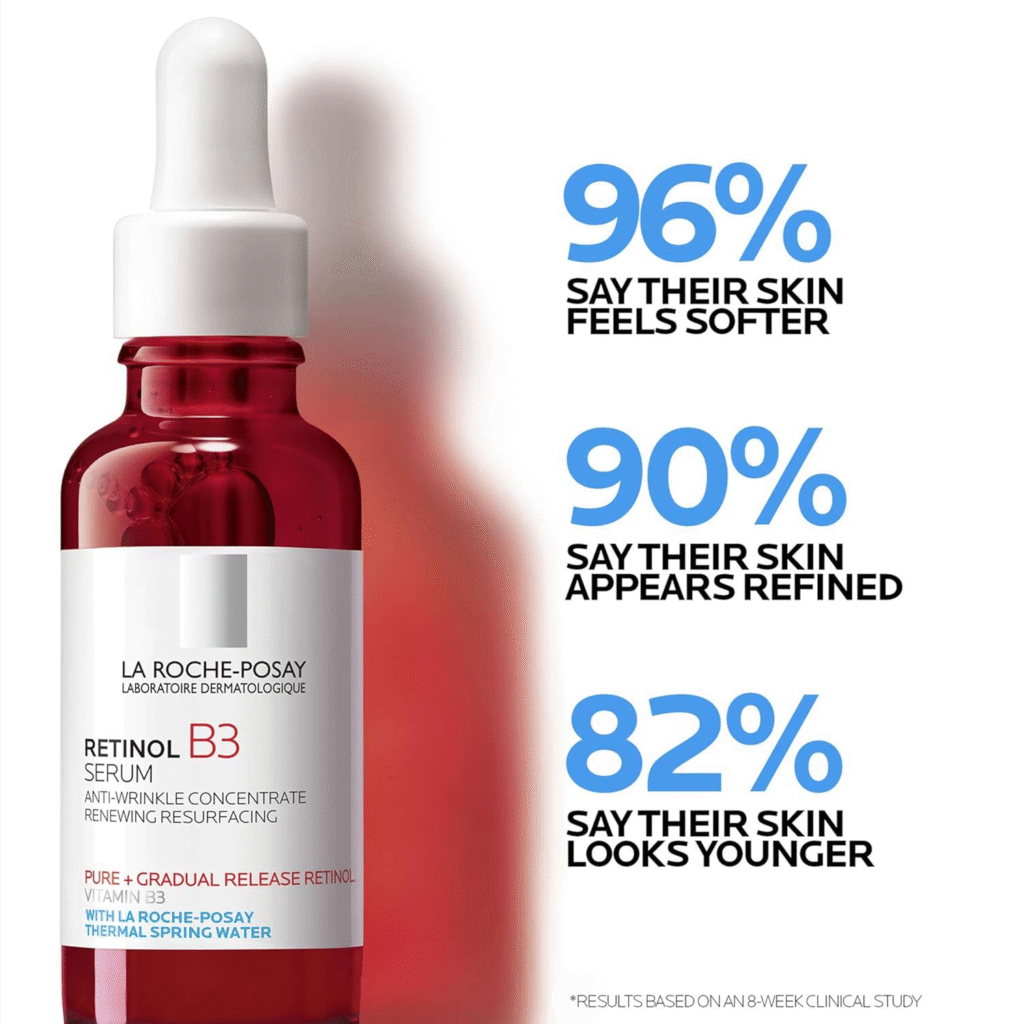
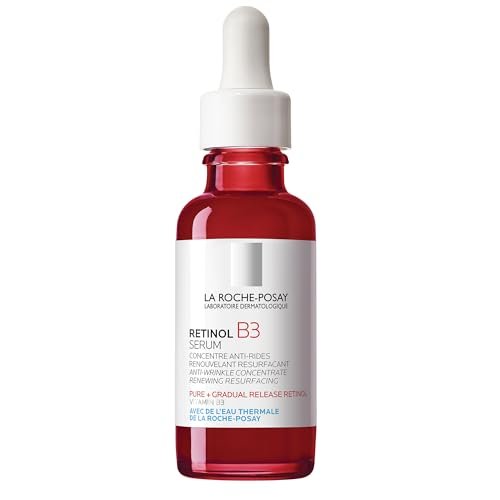
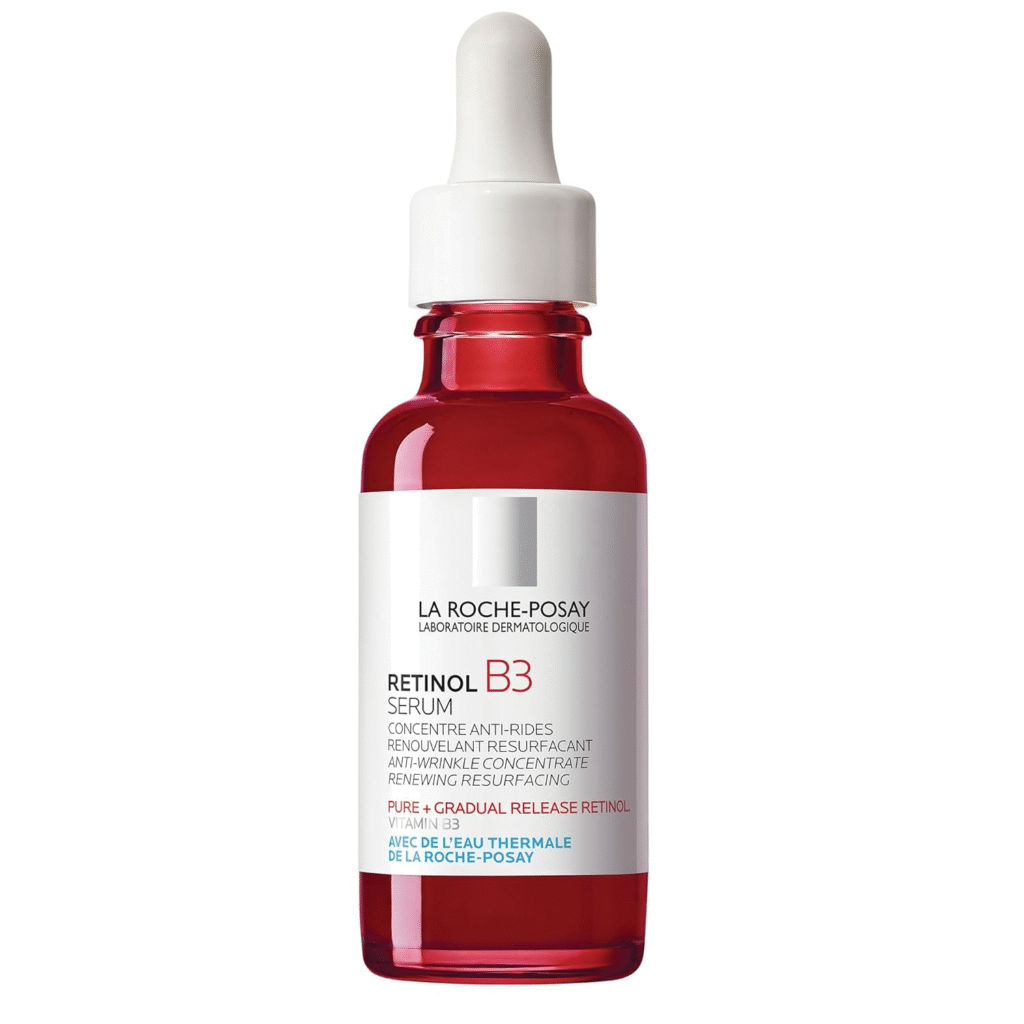
Enter the La Roche-Posay Retinol B3 Serum. You have likely seen this famous red bottle in pharmacies and on dermatologist feeds. It promises to deliver the potent power of Pure Retinol mixed with soothing Vitamin B3 to erase fine lines without the dreaded burn. But is this serum actually gentle enough for reactive skin, or is it just clever marketing?
I tested this serum for 8 weeks to tackle my fine lines and uneven texture. In this 2026 review, I will break down why this “B3” combination is unique, how to use it safely, and the one downside you strictly need to know.
The Deep Dive Review of La Roche-Posay Retinol B3 Serum:
1. The Power of “B3” (Niacinamide)
The “B3” in the name isn’t just a random letter; it is the secret weapon that makes this product tolerable. It stands for Niacinamide. Retinol works by speeding up cell turnover, which can temporarily weaken the skin barrier. According to Healthline, Vitamin B3 is essential for building skin proteins and locking in moisture. By formulating the serum with a high concentration of B3, La Roche-Posay created a “buffer.” The B3 actively calms inflammation and repairs the barrier at the exact same moment the retinol starts working. It acts like a bodyguard for your face.
2. Pure vs. Gradual Retinol: The Hybrid Approach
Most serums use either weak derivatives or harsh pure retinol. This serum is smart—it uses a hybrid approach:
- Pure Retinol: Delivers an immediate kick to start stimulating collagen production.
- Gradual Release Retinol: Encapsulated retinol that releases slowly over several hours. This prevents the skin from being overwhelmed by a sudden “shock.” Instead of a chemical burn, you get a steady, controlled stream of anti-aging ingredients throughout the night.
3. The Texture and The “Yellow” Factor
The Good: The texture is a silky, lightweight fluid. It feels more like a luxury hydrator than a clinical treatment. It sinks in instantly and leaves the skin feeling soft, not tight. The Bad: Two things to note. First, it has a fragrance. It is a pleasant floral scent, but if you are strictly “fragrance-free,” this might annoy you. Second, the serum is yellow. This is actually a good sign (pure retinol is yellow), but be careful—let it dry completely before putting your face on a white pillowcase, or you might wake up with stains.
4. Results: Lines vs. Texture
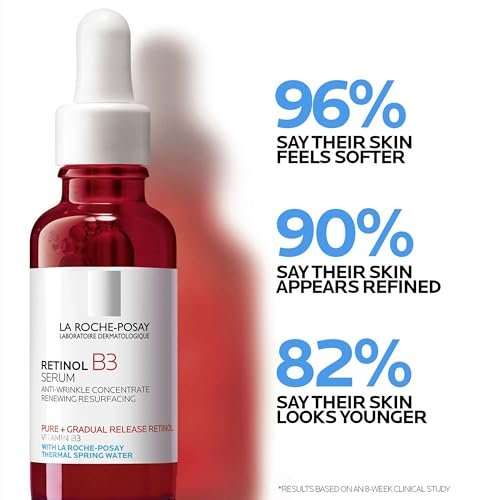
After 4 weeks, the results were undeniable. The “crepey” texture on my forehead softened significantly, and my pores looked tighter. It didn’t erase deep wrinkles overnight (no cosmetic product does), but it made my skin look plump, fresh, and “awake.” I experienced zero peeling, which is a miracle for my sensitive skin.
How to Use It Without Ruining Your Skin (The Routine)
If you are a beginner, do not slap this on every night immediately. Follow this routine:
- Cleanse: Wash your face and pat it completely dry. Applying retinol on damp skin increases irritation.
- Apply: Use 3-4 drops for the entire face.
- The Sandwich Method: If you are very sensitive, apply a light layer of moisturizer first, then the Retinol B3 Serum, then moisturizer again.
- Frequency: Start with 2 nights a week. Increase to every other night after 3 weeks.
Verdict: Is It Worth It in 2026?
Yes, it is the best “first retinol” for adults. The La Roche-Posay Retinol B3 Serum is the gold standard for anyone who wants serious anti-aging results without destroying their skin barrier. It strikes the perfect balance between efficacy and hydration. It is scientifically formulated, elegant to use, and simply amazing.
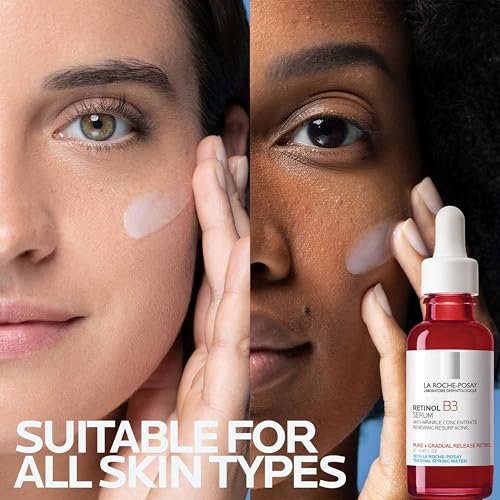
Who Should Buy It: People over 25 wanting to prevent wrinkles, or anyone with sensitive skin who has failed with other retinols. Who Should Skip It: Pregnant women (retinol is not safe for pregnancy) or those who hate fragranced skincare.
Frequently Asked Questions (FAQ):
Q: What is the percentage of retinol? A: It contains roughly 0.3% Retinol. This is considered the “sweet spot” for effectiveness without needing a prescription.
Q: Can I use it in the morning? A: No. Retinol breaks down in sunlight and makes your skin more sensitive to UV rays. Always use it at night and wear SPF 30+ the next morning.
Q: Can I use it while pregnant? A: No. Dermatologists recommend avoiding all forms of retinol (Vitamin A) during pregnancy and breastfeeding. Switch to Bakuchiol or Glycolic Acid instead.
See more Skincare product reviews Here.