

hair growth serum 1 is one of the newest solutions people turn to for thinning hair and regrowth, but does it really deliver results? In this guide, we cut through the hype and explore what’s known—and not known—about this serum, how to use any hair serum for realistic results, and what real studies say about hair regrowth in 2024.
Key Takeaways
- No published clinical data exists yet for hair growth serum 1, but studies on similar products show up to 31% hair density increases in 6 months.
- Most leading topical and oral regrowth products have good safety profiles, but maintenance requires ongoing commitment and results are often gradual.
- Choosing the right serum means considering your hair loss type, expectations, and willingness to stick with long-term use or complementary treatments.
- What Is Hair Growth Serum 1 & Why Does It Matter?
- How to Use Hair Growth Serums Effectively (Step-by-Step Guide)
- Advanced Analysis & Common Pitfalls
- Conclusion
- FAQs
What Is Hair Growth Serum 1 & Why Does It Matter?
hair growth serum 1 is marketed as a topical serum designed to help with thinning hair, support regrowth, and reduce shedding for users seeking fuller, thicker hair. While this product is gaining attention among those frustrated with pattern hair loss or thinning, there is currently no published clinical research specific to its formula.
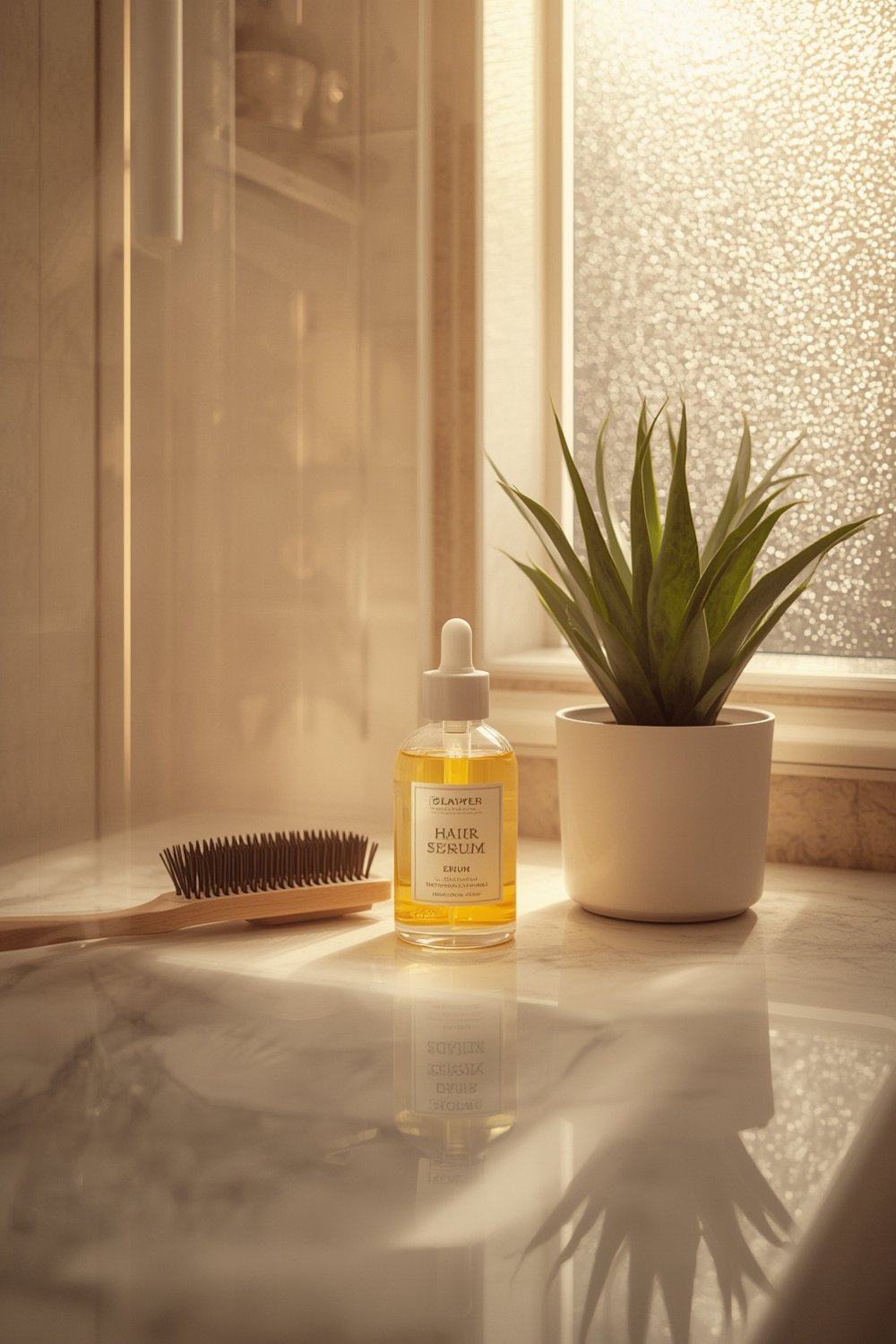
In the broader context of hair regrowth, most topical serums aim to stimulate follicles, strengthen hair shafts, and improve scalp health. Leading ingredients in comparable products may include minoxidil, peptides, botanical extracts, amino acids, or, as seen in the latest studies, regenerative agents targeting androgenetic alopecia (male and female pattern hair loss).
Many users choose these serums because they want less shedding and improved visible hair density without needing oral medications or in-office treatments like PRP injection therapy. Serums often fit into routines at home, but realistic expectations and correct application are essential for seeing benefits.
It’s important to note that, so far, studies show the most dramatic improvements in early to moderate pattern hair loss, and the best results require ongoing, consistent use. Advanced hair loss remains harder to reverse with topicals alone.
For a full review of hair gloss solutions (for shine, not regrowth), explore our Complete Guide to Gloss Treatment for Hair.
How to Use Hair Growth Serums Effectively (Step-by-Step Guide)
- Identify your hair loss type and stage. Most clinical research supports best results for those with mild to moderate thinning and functioning follicles. Serums work poorly on totally bald, shiny patches.
- Choose a clinically-backed formula (if possible). Products like ET-02 or PP405, for example, have shown significant density improvements in studies [source], but even then, no single serum works for everyone.
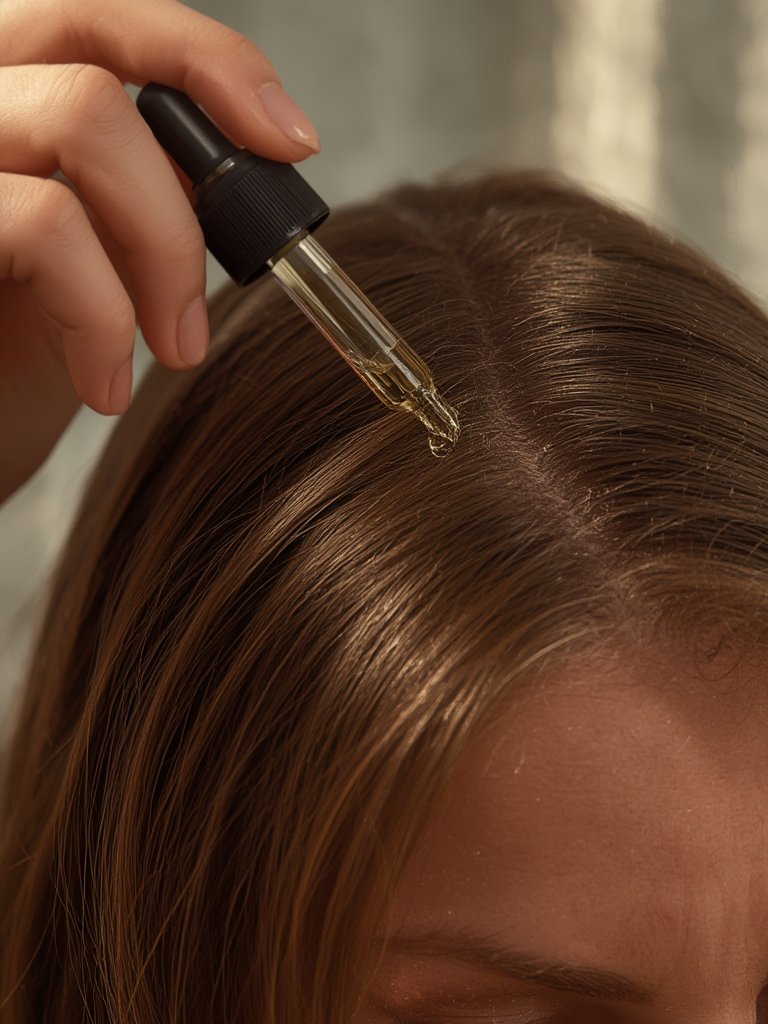
- Apply to clean, dry scalp—focus on thinning areas. Gently part hair and apply drops or spray directly onto the scalp, not the hair shafts. massage in for improved absorption.
- Be consistent with daily or twice-daily use. Set a timer if needed. Missing days can delay any visible effects.
- Track your results monthly. Take photos in consistent lighting. Look for changes after 2, 3, and 6 months; most studies report improvements taking weeks to several months.
- combine with healthy habits. Eat balanced meals, manage stress, and use gentle hair care routines. Serums are only one piece of the puzzle.
If you struggle with low porosity or product build-up, see our Ultimate Guide to Low Porosity Hair Care for tips on improving serum absorption. Remember, not all serums work on all causes of hair loss, especially if your thinning is stress-related or due to nutritional deficiencies.
For a full DIY self-care routine, including scalp treatments, you can also read The Ultimate Guide to At-Home Spa Experiences.
Advanced Analysis & Common Pitfalls
The science behind hair growth serum 1 is yet to be publicly documented. Below is a breakdown of what independent studies on similar products reveal—and the most common challenges faced by real users.
| Product | Reported Hair Density Increase | Time to See Results | Known Side Effects | Commitment Required | Best for |
|---|---|---|---|---|---|
| Dietary Supplement (clinical study) | 10.1% at 6 months | 6 months | None reported | Daily use, long term | Early thinning, men & women |
| ET-02 Topical (trial) | 6x placebo at 5 weeks | 5 weeks onward | None reported | Daily use, extended | Male androgenetic alopecia |
| PRP Therapy | 31% at 6 months | 2-6 months | Minor bruising/pain (rare) | Multiple office visits | Early pattern loss |
| PP405 Topical | 20%+ at 8 weeks (subset) | 8 weeks | None reported | Daily use | Higher-degree loss, often men |
| hair growth serum 1 | No published data | Unknown | No reports yet | Consistent use required | Unknown (pending studies) |
Common Pitfalls
- Unrealistic expectations: Improvement is gradual. Most independent studies show results appear after several months—not weeks.
- Stopping too soon: Many users quit before results are visible, leading to disappointment.
- Stage of hair loss matters: Advanced bald spots with no active follicles respond poorly to serums and may require professional treatments, like PRP or stem cell therapies (see research).
- Ignoring underlying health factors: Stress, nutrition, medical issues, or scalp conditions can limit serum effectiveness and need separate attention.
- Lack of ingredient transparency: Many leading serums (and hair growth serum 1) do not publish detailed formulations, making direct comparisons challenging.
If you are interested in whole-body anti-aging, our Whole Body Skincare resource explains regimen strategies for skin and scalp.

For details on ingredient science behind serums and boosters for the skin, read EGF Skin Repair: The Science of Growth Factors.
Conclusion
Clinical data for hair growth serum 1 is lacking, but research on comparable topical and oral hair regrowth options shows some users can achieve a 10–31% increase in hair density within 2–6 months, especially when treating early-stage thinning. Results demand patience, daily use, and sometimes a multi-modal approach. Ingredient transparency and managing expectations are key for anyone considering a new serum.
Wondering if hair growth serum 1 is right for you? Start by speaking with a dermatologist, review ingredient lists carefully, and be realistic about time to results. Consistent use is your best ally—so commit for the long haul and track your progress. Ready to take action? Check out an in-depth hair growth serum 1 review or explore our related guides for more hands-on advice.
FAQs
How long does it take to see results from hair growth serum 1?
No clinical data is published for this product, but most similar serums in studies show visible improvement in hair density after 2 to 6 months of daily use.
Is hair growth serum 1 safe for all scalp types?
No major side effects have been reported for comparable serums in recent research. Still, always patch test and consult your doctor if you have scalp conditions or sensitivities.
Will hair growth serum 1 work for severe baldness?
Results are most likely for mild to moderate hair thinning. Severe bald patches often lack active follicles and don’t respond well to topical serums alone.
Can I combine hair growth serum 1 with other hair treatments?
Yes, many users mix serums with supplements, low-level laser, or PRP therapy—though you should seek medical advice before combining treatments, especially prescription drugs.
What should I do if I see no results after months of use?
First, ensure consistent application; then, discuss options with a dermatologist. Consider tests for underlying causes or explore in-office treatments shown to work for persistent hair loss cases.