

AI skin analysis tool technology is transforming the way we understand and care for our skin, offering precise, instant diagnostics from the comfort of your home or during a digital dermatology visit. In 2024, these intelligent platforms are rapidly reshaping personalized skincare routines for both consumers and clinics.
Key Takeaways
- The global AI skin analysis market is projected to grow to over $7 billion by 2034, driven by demand for personalized skincare and smart diagnostics.
- Accuracy rates can reach up to 90%, but limitations remain compared to in-person dermatologist assessments and privacy questions are largely unanswered.
- Most tools work with Smartphone, webcam, or tablet, but cost, accuracy, and data security still need careful consideration before adoption.
- What Is an AI Skin Analysis Tool? (And Why It Matters)
- How to Use an AI Skin Analysis Tool: A Step-by-Step Guide
- Advanced Analysis & Common Pitfalls
- Conclusion
- Frequently Asked Questions
What Is an AI Skin Analysis Tool? (And Why It Matters)
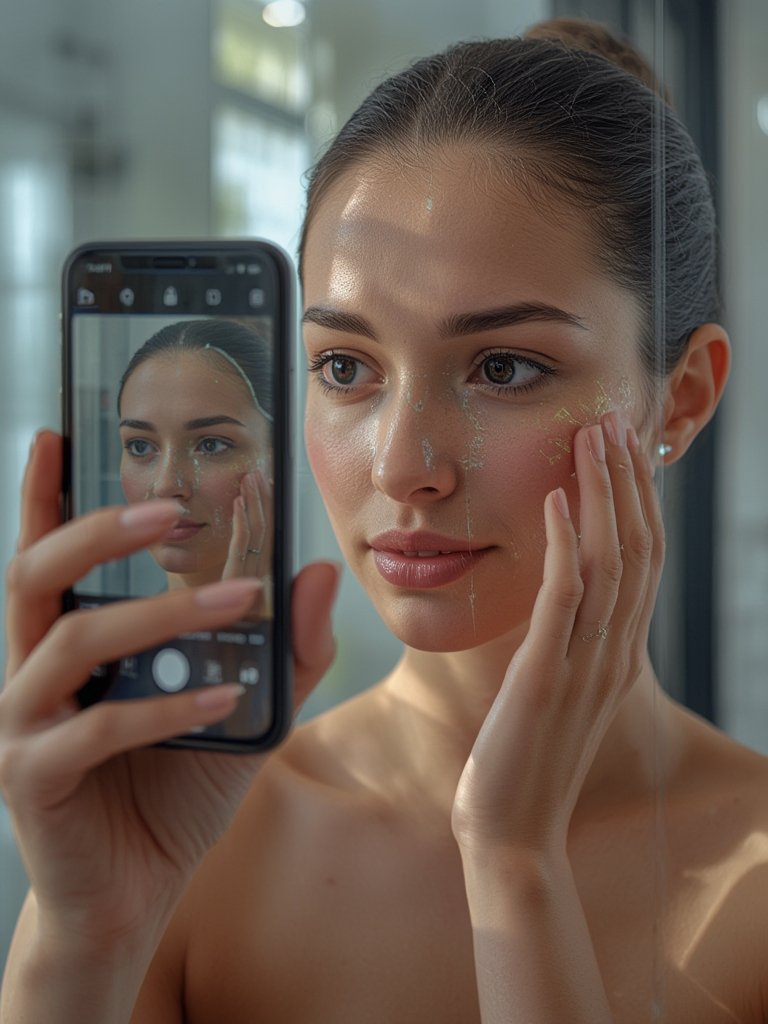
AI skin analysis tools use artificial intelligence, machine learning, and advanced image processing to examine your skin’s condition from a simple photo. They detect features such as pores, wrinkles, pigmentation, redness, and texture, offering instant skin assessments and tailored recommendations.
The appeal lies in convenience and accessibility. Instead of scheduling an in-person appointment, anyone with a smartphone, tablet, or webcam can receive rapid, often quite detailed, feedback. This democratizes skincare and bridges the gap for those without easy access to dermatologists.
Globally, the AI skin analysis tool market is booming, with reported sizes up to $3.5 billion in 2024 and forecasts topping $7 billion by 2034—driven by personalized skincare, telehealth, and the high adoption rate among younger generations (source, source). North America leads the market, but Asia Pacific is quickly catching up. These tools don’t just benefit individuals—dermatologists and brands also use them to enhance consultations or customize skincare offerings.
If you’re already optimizing your skincare at home, pairing an AI assessment with methods from our at-home facial guide can level up your results.

How to Use an AI Skin Analysis Tool: A Step-by-Step Guide
- Choose a credible AI skin analysis tool. Look for brands or platforms with transparent AI methodology and ample before-after testimonials. If integrated into a telederm platform, verify clinical backing.
- Prepare your device. Most tools work via an app or browser interface on your phone, tablet, or computer. Clean your device’s camera lens for best results, and ensure bright, even lighting.
- Capture a clear photo. Wash your face, avoid makeup and harsh shadows, and hold the camera at eye level. If possible, secure your hair back and maintain a neutral expression. Follow the tool’s prompts for the perfect angle.
- Allow AI processing. The software uses facial recognition and algorithmic models to analyze features like pores, wrinkles, hydration, pigmentation, and more. Results load in seconds or minutes.
- Review your analysis. Most AI tools display a skin map, grades for various concerns, and even simulate progress over time. Some platforms integrate custom product or routine suggestions.
- Decide next steps. Use the suggestions or recommendations. Consider cross-referencing results with expert tips from our skin barrier repair guide to ensure you aren’t missing crucial repair fundamentals.
Clarity and consistency in process matter. For optimal skincare, pair your AI scan findings with our practical routines from the skin cycling routine or integrate insights from trending ingredients like snow mushroom extract for hydration.
Advanced Analysis & Common Pitfalls
While AI skin analysis tools can be impressive, understanding their current limits is crucial. Here are some key realities:
- Accuracy claims are broad, not universal. Top tools record up to 90% diagnostic accuracy according to industry reports, but there is limited peer-reviewed head-to-head data comparing them to in-person dermatology.
- Lack of transparency. Many platforms don’t clearly state how your data is stored or analyzed. Privacy and data security for facial images are rarely discussed, leaving potential risks (source). Only use tools from reputable providers, especially when sensitive health data is involved.
- Hardware and lighting limitations. 2D facial recognition technology dominates in 2024. This works on most smartphones and web cameras but may fail to detect subtle features, especially in poor lighting or with older devices.
- No standard on cost. There’s no published pricing data for consumers or clinics. Free tools tend to offer basic analysis; paid platforms for clinics or brands may charge hundreds or more per month—do your research before committing.
- Device and connection requirements are not always clear. While most platforms say “smartphone compatible,” exact specs (such as minimum camera resolution or internet speeds) are often missing.
- User experience can be inconsistent. No verified, large-scale customer review data exists yet. Anecdotally, users sometimes report inconsistent or generic recommendations.
Here’s a side-by-side look at what you might expect from AI skin analysis tools versus traditional in-person dermatologist visits:
| Feature | AI Skin Analysis Tool | In-Person Dermatologist |
|---|---|---|
| Speed | Instant to minutes | Typically days to weeks for an appointment |
| Device Needed | Smartphone, webcam, or tablet | None (in-person) |
| Accuracy | Up to 90% for some conditions; can vary | Expert clinical assessment, typically higher for nuanced cases |
| Personalization | AI algorithms suggest products/routines | Tailored expert advice, considers broader health context |
| Data Privacy | Often unclear | Protected by health privacy laws |
| Cost | Varies: free (basic) to $$$ in clinic/brand settings | Varies: insurance, copays, or private pay |
If skin optimization is your goal, consider using AI analysis in tandem with proactive strategies like skin barrier repair or investing in at-home devices such as a red light therapy device.

Conclusion
AI skin analysis tools offer next-level convenience and actionable insights for anyone seeking personalized skincare or remote diagnostics. As the underlying technology matures, accuracy rates can rival in-person screenings for many conditions—but device limitations, privacy ambiguity, and unclear pricing remain real issues. If you’re considering an AI skin analysis tool, use it to supplement, not replace, your core skincare habits and professional advice.
Ready to take control of your skin? Explore AI-powered assessments and match their findings with proven techniques from our at-home glowing skin routine for the best results. Prioritize your data privacy and be a discerning user as this technology evolves.
Frequently Asked Questions
How accurate are AI skin analysis tools?
Some platforms report diagnosis accuracy rates up to 90% based on their internal testing, but these results can vary. There is little independent, peer-reviewed research directly comparing them to experienced dermatologists.
What devices work with AI skin analysis?
Most tools work with modern smartphones, tablets, or computers equipped with a clear camera. 2D facial recognition is standard in 2024, requiring decent lighting and resolution, but minimum specs are rarely specified.
Is my data safe when using an AI skin analysis tool?
Data privacy and security remain a concern. Most providers do not publicly state how facial images are stored or protected. Always choose trusted brands and read the privacy policy before uploading sensitive photos.
Are AI skin analysis tools free?
Consumer-facing basic assessments can be free. Advanced tools for clinics, dermatologists, or skincare brands may charge subscription or one-time fees. Pricing details are typically not disclosed openly.
Can AI tools replace dermatologist visits?
No. While helpful for tracking skin health and product responses, AI tools are not a substitute for expert diagnosis—especially for complex, changing, or serious skin concerns. Always consult a professional when in doubt.