
Table of Contents
BYOMA Hydrating Milky Toner Review
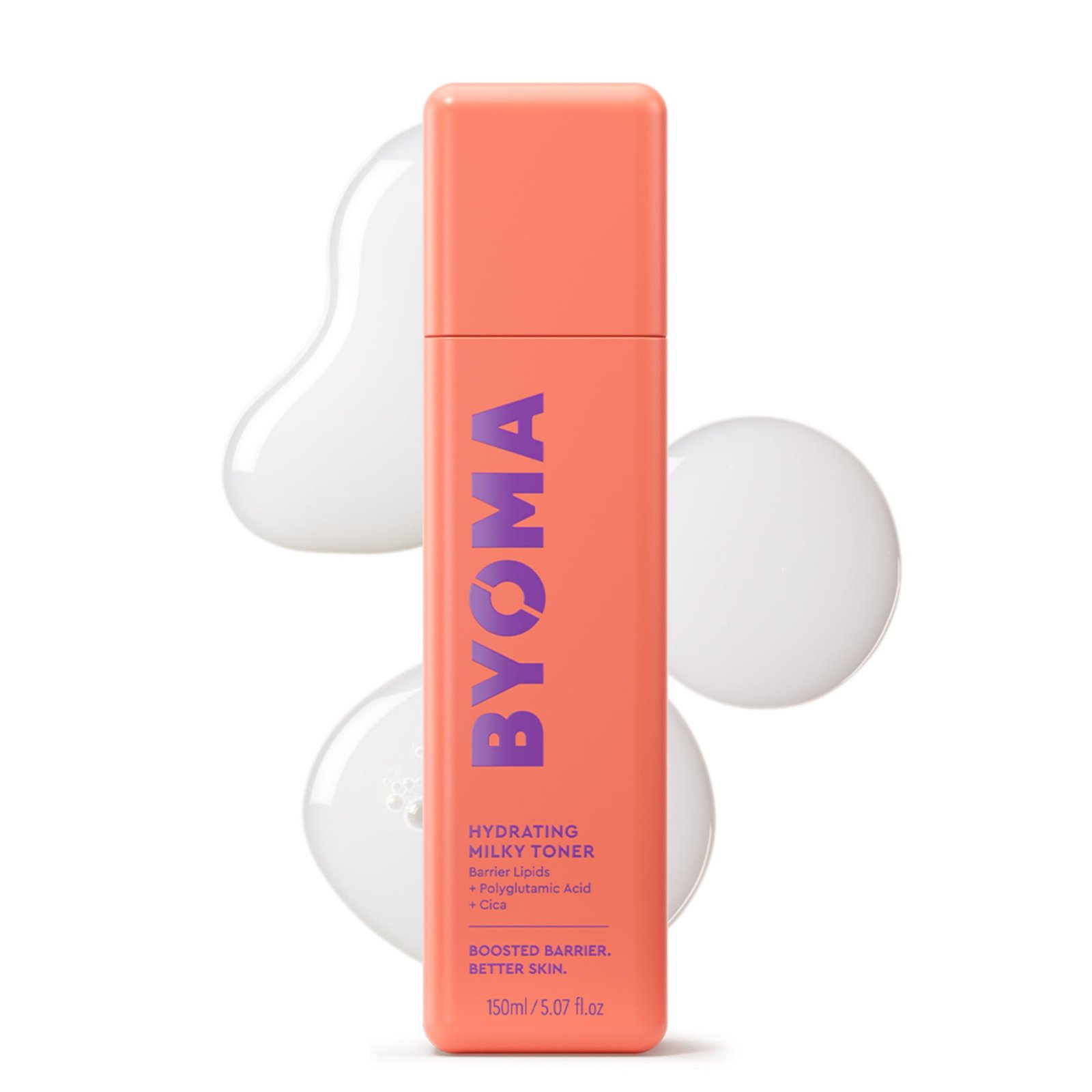
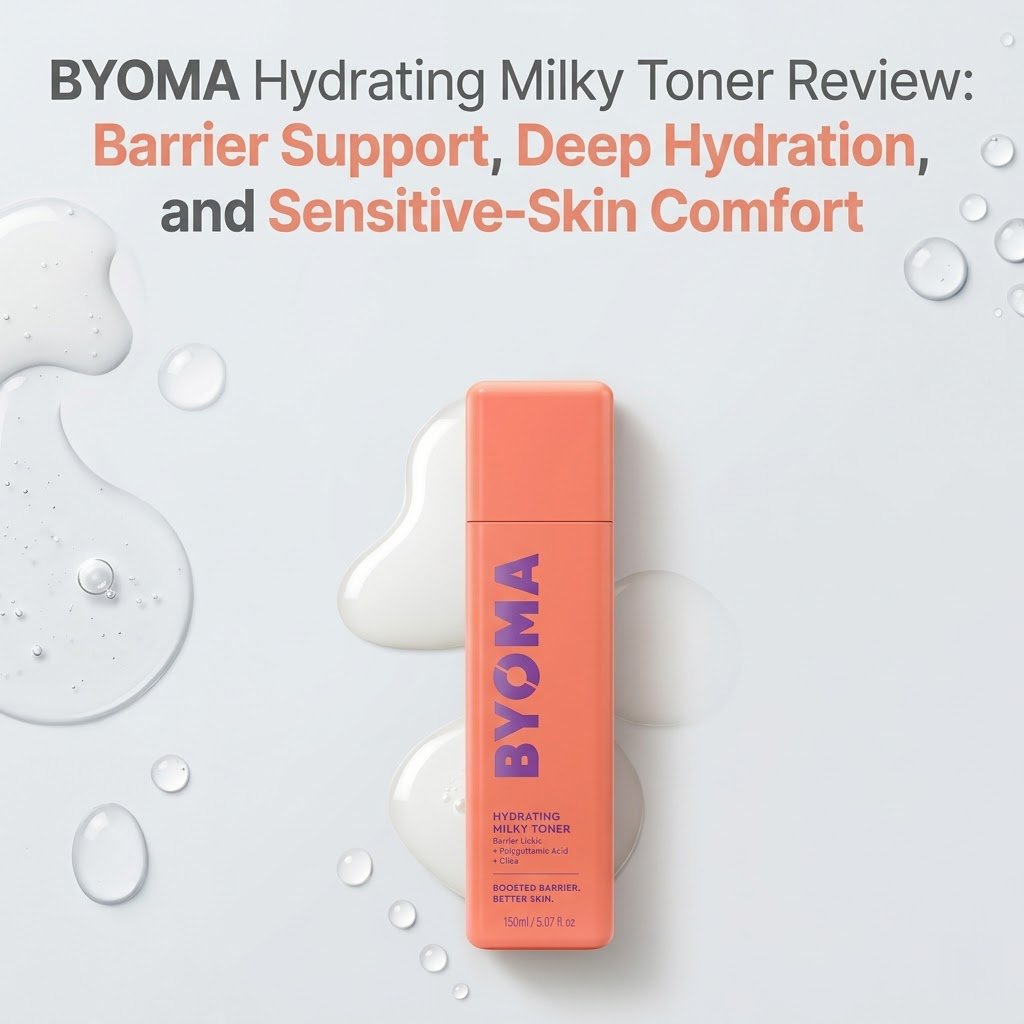
BYOMA’s Hydrating Milky Toner is a barrier-focused toner designed to hydrate, calm, and soften dry or sensitized skin without the sting or heaviness that can make some toners unpleasant to use. On paper, it is a thoughtfully built formula; in practice, it reads most convincingly as a support product for dehydrated, reactive, or compromised skin rather than a dramatic treatment step.
Introduction to BYOMA Hydrating Milky Toner
This review covers what the toner does well, how its ingredient system works, where the formula is strongest, and where expectations should stay realistic. It also uses scientific literature to separate marketing language from ingredients that have real dermatologic rationale, especially for hydration, barrier repair, and redness support.
Formula Architecture
BYOMA positions this toner around its Barrier Lipid Complex plus polyglutamic acid and cica, and the brand says it is alcohol- and fragrance-free, vegan, and cruelty-free. The ingredient list also includes classic humectants and soothing agents such as glycerin, panthenol, sodium hyaluronate, beta-glucan, saccharide isomerate, and centella asiatica extract, which makes the formula feel more like a lightweight treatment lotion than a traditional astringent toner. That matters because these ingredients are all associated with water binding, skin comfort, and surface barrier support rather than aggressive resurfacing.
The formula is also notable for including ceramide NP, sphingolipids, and hydrogenated lecithin, which aligns with a barrier-repair strategy. Niacinamide is not the star here, but the formula’s overall logic is consistent with evidence that niacinamide can support barrier function, reduce inflammation, and improve skin appearance when it is present in leave-on skincare.
How It Works
The toner’s hydration profile is built on a multi-layered humectant approach. Glycerin, sodium hyaluronate, polyglutamic acid, and saccharide isomerate can all help attract and hold water at the skin surface, which is the basic mechanism behind the immediate “plumping” effect many users notice in hydrating toners.
Its barrier story is stronger than average because it combines humectants with lipids and soothing actives. Ceramide NP, sphingolipids, hydrogenated lecithin, and meadowfoam seed oil help give the formula more cushion and reduce the stripped feeling that often follows cleansing, while panthenol and beta-glucan support comfort and recovery in irritated skin. BYOMA’s own claim that the toner helps reduce redness and sensitivity is plausible in light of the known skin-soothing and barrier-supportive behavior of ingredients like panthenol and niacinamide-related barrier systems.
Scientific Context
Niacinamide is one of the best-studied cosmetic ingredients for barrier and tone support. A 2024 review in Antioxidants explains that niacinamide contributes to NAD+ synthesis, helps modulate oxidative stress and inflammation, and has evidence for improving barrier function and pigmentation-related concerns. A separate review in PubMed also summarizes topical niacinamide’s cosmeceutical value in barrier protection, acne, and hyperpigmentation.
Hyaluronic acid has a simpler but highly useful role: it is a humectant that improves hydration and can make skin look smoother and more comfortable. In a clinical study of a topical HA serum, hydration increased immediately by 134% and remained elevated at week 6, with improvements in plumping, smoothness, and fine lines. Panthenol also has meaningful support in the literature; one randomized study found that a panthenol-enriched mask decreased erythema, improved hydration, and promoted barrier recovery after laser treatment.
The practical takeaway is that BYOMA’s formula uses ingredients with a coherent biological rationale rather than a single miracle active. That makes the toner especially appealing for people whose skin needs calm hydration more than exfoliation or a strong corrective step.
Texture And Feel
The “milky” texture is one of the product’s best features because it gives the sensation of a hydrating essence without feeling greasy or occlusive. Reviewers commonly describe it as silky, runny, and fast-absorbing, and BYOMA’s positioning suggests the formula is meant to leave skin soft and dewy rather than tacky or shiny.
That texture matters in real use because it can slot into both minimalist and layered routines. It should work well under serums and moisturizers, and the absence of fragrance and alcohol lowers the odds of the kind of transient stinging that sensitive-skin users often experience with harsher toners.
Who It Suits
This toner makes the most sense for dry, dehydrated, sensitive, or barrier-impaired skin. It is also a good fit if you want a toner that feels more restorative than cleansing, exfoliating, or brightening.
It is less compelling for people who want visible exfoliation, oil control, or fast pigment correction from a toner alone. Although the formula contains gluconolactone, the product is not really built as a PHA exfoliant in the way a dedicated treatment toner would be; it is much more of a hydrating barrier-support product.
Pros And Cons
Final Verdict
BYOMA Hydrating Milky Toner is a genuinely well-conceived product for people who want hydration with a barrier-first philosophy, not just another watery toner. Its ingredient list is supported by credible skin-science rationale, especially around humectancy, soothing, and barrier maintenance, and the formula’s design matches its claims more closely than many trend-driven skincare launches.
For more skincare product reviews, visit our Skincare Review Category.